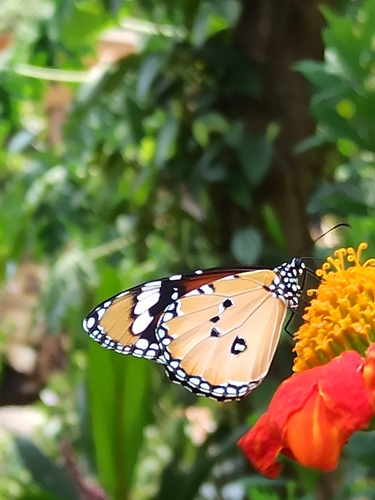
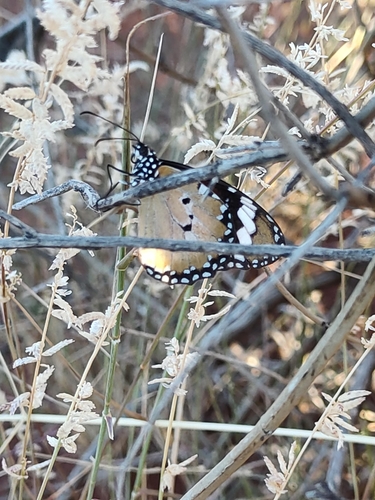
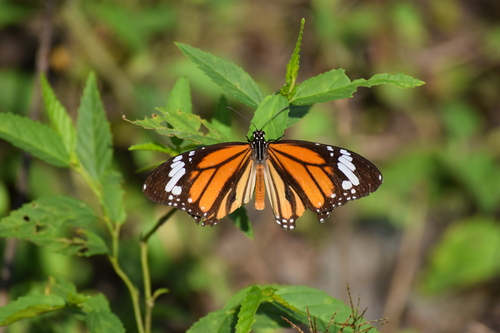
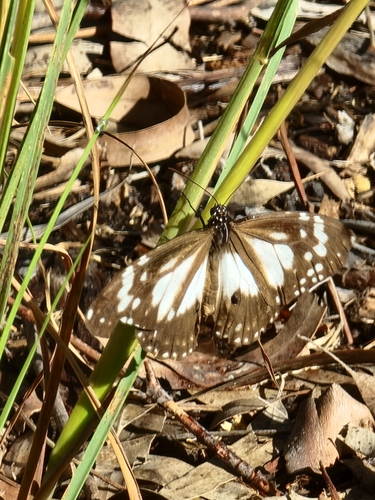
Queen Danaus gilippus
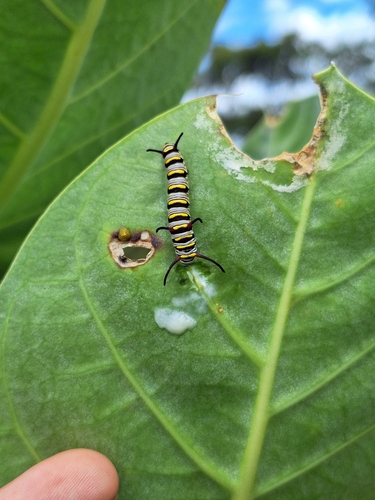
(c) Jefferson Ferreira, some rights reserved (CC BY)
Often overshadowed by its famous cousin the Monarch, this butterfly is just as toxic — and just as impressive. Like the Monarch, the caterpillars feed on milkweed, absorbing toxic compounds that make both caterpillar and adult unpalatable to birds. Males have a distinctive dark scent patch on the hindwing, releasing pheromones during courtship — they can even brush these chemicals onto the female mid-flight. Found in habitats ranging from meadows to deserts, it's a remarkably adaptable species.
Where the two species overlap in the southern United States, they occasionally hybridize, producing offspring with intermediate markings that can confuse even experienced naturalists. It's a reminder that the boundaries between species are sometimes fuzzier than field guides suggest.
Think you can identify this one in the wild?
Play Now