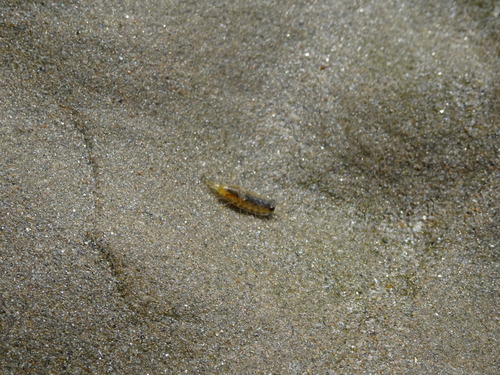
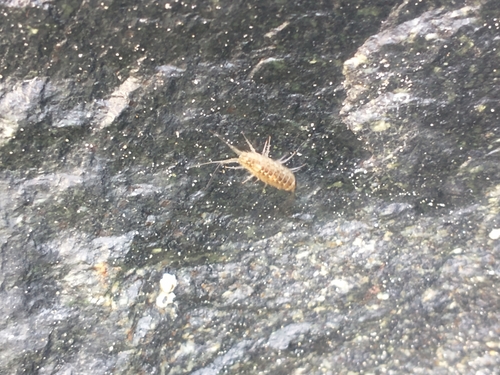
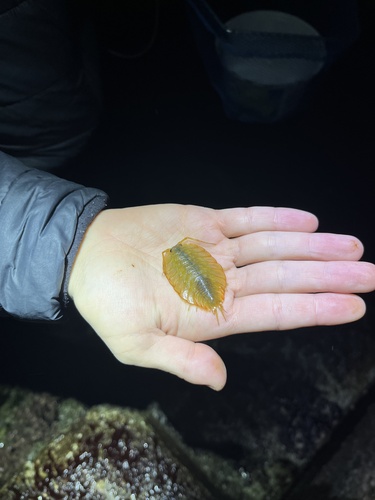
Italian Sea Slater Ligia italica
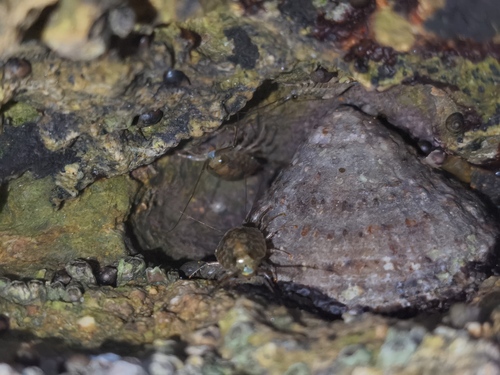
(c) Claude Kolwelter, some rights reserved (CC BY)
The Ligia genus represents one of nature's most unusual evolutionary experiments: most species are devoted denizens of tidal zone cliffs and rocky beaches, anchored to the ocean's edge for survival. But here's the plot twist—several species within this same genus have completely abandoned the sea, becoming fully terrestrial and thriving in high-humidity inland environments like damp forests and dense shade. This represents a remarkable journey for a crustacean originally designed for salt water: learning to breathe air, losing the need for salt water, and discovering that wet soil can be just as hospitable as ocean spray. The flexibility of the Ligia lineage suggests that the transition from aquatic to terrestrial life, while rare among crustaceans, becomes possible when humidity and shelter remain constant. Some species literally live in soil, among leaf litter and rotting wood, utterly divorced from their marine cousins.
Think you can identify this one in the wild?
Play Now